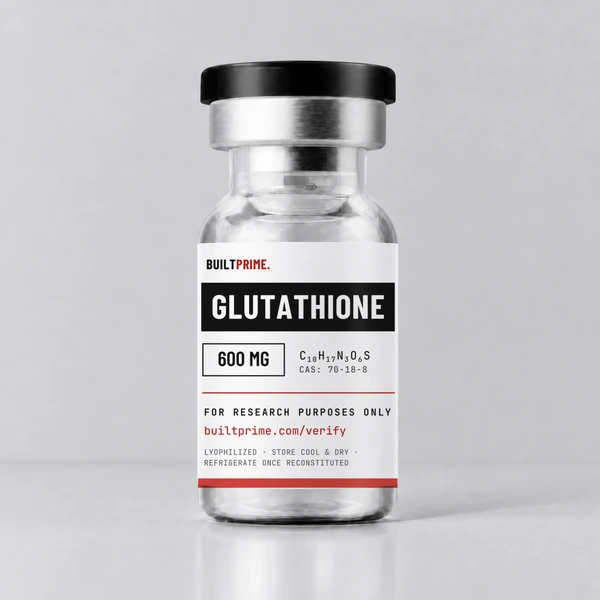
Master antioxidant tripeptide (γ-glutamylcysteinylglycine) for oxidative stress, detoxification, and immune support research.
Last updated: October 2026 · Editorial Policy
Glutathione (GSH) is a tripeptide composed of glutamate, cysteine, and glycine. It is the most abundant intracellular antioxidant in the human body, found in virtually every cell. Often called the “master antioxidant,” glutathione plays a central role in neutralizing free radicals, recycling other antioxidants like vitamins C and E, and supporting Phase II liver detoxification.
Endogenous glutathione levels decline with age, chronic stress, poor nutrition, and environmental toxin exposure. Supplemental glutathione – particularly via injectable routes that bypass first-pass metabolism – is researched for its potential to restore optimal cellular redox balance and support immune function.
GSH directly scavenges reactive oxygen species (ROS) and reactive nitrogen species (RNS). It serves as a cofactor for glutathione peroxidase, which reduces hydrogen peroxide and lipid hydroperoxides to harmless products.
Glutathione conjugates with toxins, heavy metals, and xenobiotics via glutathione S-transferase (GST) enzymes, making them water-soluble for excretion. This Phase II conjugation pathway is critical for processing environmental pollutants, medications, and metabolic waste.
Optimal GSH levels are essential for lymphocyte proliferation, natural killer (NK) cell activity, and balanced cytokine production. Research indicates that glutathione status directly influences the body’s ability to mount and regulate immune responses.
GSH participates in DNA synthesis and repair, protein synthesis, and amino acid transport across cell membranes. It also helps maintain mitochondrial function by protecting mitochondrial DNA from oxidative damage.
| Protocol | Dose | Route | Frequency | Duration |
|---|---|---|---|---|
| General Antioxidant | 200–400mg | SubQ | 1x daily | 30–60 days |
| Detox / Liver Support | 400–600mg | SubQ / IV push | 1x daily | 20–30 days |
| IV Loading | 600–1500mg | IV infusion | 1–2x weekly | 4–8 weeks |
| Maintenance | 200mg | SubQ | 2–3x weekly | Ongoing |
All protocols are for research reference only. Consult a qualified medical professional before use.
For research use only. Third-party tested. COA available on request.
This compound typically comes pre-mixed and ready to inject. Use an insulin syringe (29–31 gauge) for subcutaneous administration.
Typical protocol: 4–8 weeks. Results generally reported within 1–2 weeks.