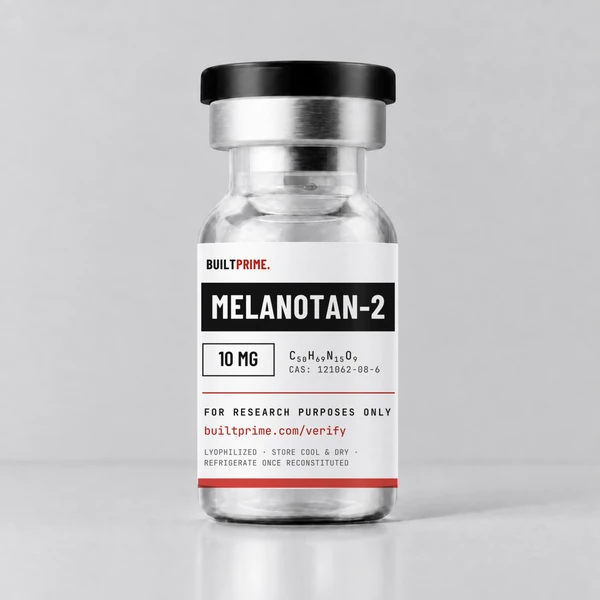
Synthetic melanocortin peptide analog researched for melanogenesis, tanning response, sexual function, and appetite regulation.
Last updated: October 2026 · Editorial Policy
Melanotan-2 (MT-2) is a synthetic analog of alpha-melanocyte-stimulating hormone (α-MSH) developed at the University of Arizona in the 1990s. It is a non-selective melanocortin receptor agonist, binding to MC1R through MC5R, which accounts for its broad range of observed effects including skin pigmentation, sexual arousal, appetite suppression, and fat metabolism.
MT-2 was originally developed as a potential preventive agent against skin cancer by stimulating the body’s natural tanning response without UV exposure. During clinical trials, researchers discovered significant secondary effects on sexual function and appetite, leading to the development of PT-141 (Bremelanotide) as a more selective derivative targeting sexual dysfunction specifically.
MT-2 binds to melanocortin-1 receptors on melanocytes, stimulating eumelanin production independently of UV exposure. This increases skin pigmentation through the same biochemical pathway as natural tanning but without requiring DNA-damaging ultraviolet radiation to initiate the process.
Activation of MC3R and MC4R in the hypothalamus triggers dopaminergic and oxytocinergic signaling cascades involved in sexual arousal and desire. This central mechanism works in both male and female subjects, influencing libido at the neurological level rather than through peripheral vascular effects.
MC4R activation in the hypothalamic arcuate nucleus and paraventricular nucleus modulates appetite-regulating neuropeptides. MT-2 reduces expression of orexigenic signals (appetite-stimulating) while enhancing anorexigenic pathways, resulting in decreased food intake in research models.
MC5R activation influences lipid metabolism and fatty acid oxidation. Research suggests MT-2 may promote preferential fat utilization, though this effect is less pronounced than its melanogenic and sexual function activity.
| Protocol | Dose | Route | Frequency | Duration |
|---|---|---|---|---|
| Loading Phase | 0.25–0.5mg | SubQ | 1x daily | 7–14 days |
| Standard Tanning | 0.5–1mg | SubQ | 1x daily | Until desired tone |
| Maintenance | 0.5mg | SubQ | 1–2x weekly | Ongoing |
| Low-Dose Start | 0.1–0.25mg | SubQ | 1x daily | Assess tolerance |
All protocols are for research reference only. Consult a qualified medical professional before use.
For research use only. Third-party tested. COA available on request.
Supplies: peptide vial, bacteriostatic water, insulin syringes (29–31 gauge), alcohol swabs.
Concentration: 10 mg in 2 mL = 5,000 mcg/mL
Typical research cycle: Loading: 2–4 weeks. Results generally reported within 3–7 days.