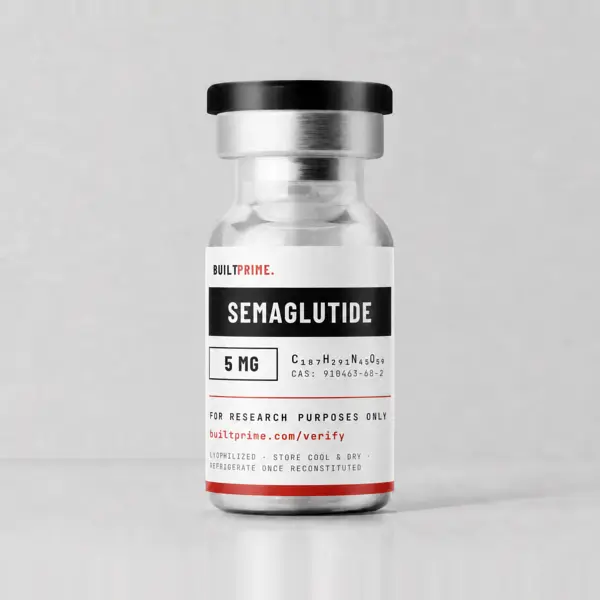
A glucagon-like peptide-1 (GLP-1) receptor agonist widely studied for its role in metabolic regulation, appetite control, and glucose homeostasis.
Last updated: October 2026 · Editorial Policy
Semaglutide is a synthetic analog of human GLP-1 (glucagon-like peptide-1), engineered with a long acyl chain that allows it to bind to albumin in the bloodstream. This structural modification extends its half-life to approximately seven days, making once-weekly dosing viable.
Originally developed for type 2 diabetes management, semaglutide has become one of the most extensively researched peptides in metabolic science. Its ability to reduce appetite, slow gastric emptying, and improve insulin sensitivity has generated significant clinical interest beyond glycemic control.
Head to Head
Semaglutide vs Tirzepatide
Semaglutide mimics the incretin hormone GLP-1, binding to GLP-1 receptors in the pancreas, brain, and gut. Key pathways include:
Pancreatic effects: Stimulates glucose-dependent insulin secretion from beta cells while suppressing glucagon release from alpha cells. This dual action helps regulate blood sugar without the risk of hypoglycemia seen with some other interventions.
Central appetite regulation: Acts on GLP-1 receptors in the hypothalamus and brainstem to reduce hunger signaling, increase satiety, and decrease food reward behavior. This is the primary driver of its weight-management effects.
Gastric motility: Slows gastric emptying, which contributes to prolonged feelings of fullness after meals and reduces post-meal glucose spikes.
Semaglutide is actively studied across several areas of metabolic and cardiovascular research:
Weight management: Clinical trials have demonstrated average weight reductions of 15-17% of body weight over 68 weeks at therapeutic doses, making it one of the most effective pharmacological approaches to obesity research.
Cardiovascular outcomes: The SELECT trial demonstrated a 20% reduction in major adverse cardiovascular events (MACE) in overweight/obese adults without diabetes, suggesting cardioprotective properties beyond weight loss.
Metabolic syndrome: Research into its effects on liver fat (NAFLD/NASH), blood pressure, lipid profiles, and inflammatory markers continues to expand its potential clinical applications.
Semaglutide follows a dose-escalation schedule to minimize gastrointestinal side effects. The protocol below reflects commonly reported research dosing:
| Weeks | Dose | Frequency | Notes |
|---|---|---|---|
| 1 – 4 | 0.25 mg | Once weekly | Initiation dose |
| 5 – 8 | 0.5 mg | Once weekly | First escalation |
| 9 – 12 | 1.0 mg | Once weekly | Moderate dose |
| 13 – 16 | 1.7 mg | Once weekly | Second escalation |
| 17+ | 2.4 mg | Once weekly | Maintenance dose |
Inject subcutaneously in the abdomen, thigh, or upper arm. Rotate injection sites weekly. Administer on the same day each week, with or without meals.
This compound typically comes pre-mixed and ready to inject. Use an insulin syringe (29–31 gauge) for subcutaneous administration.
Typical protocol: Ongoing. Results generally reported within 4–8 weeks.