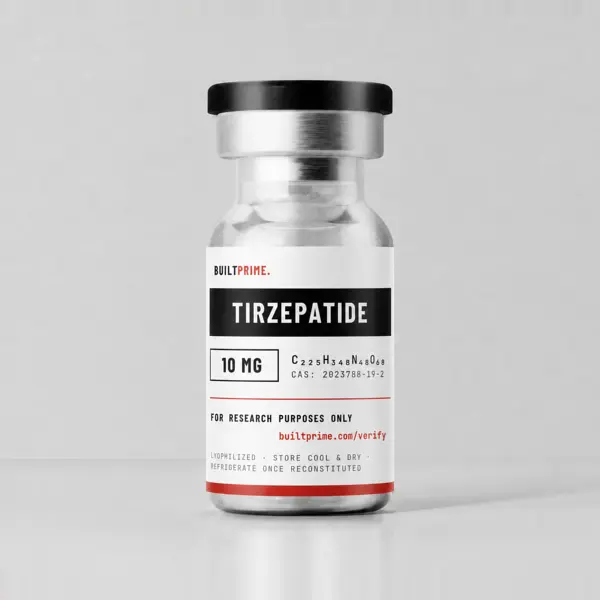
A first-in-class dual incretin agonist that activates both GIP and GLP-1 receptors, studied for superior metabolic and body composition outcomes.
Last updated: October 2026 · Editorial Policy
Tirzepatide is a synthetic peptide that simultaneously activates two incretin hormone receptors: glucose-dependent insulinotropic polypeptide (GIP) and glucagon-like peptide-1 (GLP-1). This dual mechanism is unique among approved metabolic peptides and has produced some of the most significant weight-reduction results in clinical trials to date.
Developed by Eli Lilly, tirzepatide was initially approved for type 2 diabetes and has since gained attention for its remarkable efficacy in obesity research, with some trial participants achieving weight reductions previously only seen with bariatric surgery.
Head to Head
Semaglutide vs Tirzepatide
Like semaglutide, tirzepatide uses a dose-escalation approach. The increments are spaced at minimum 4-week intervals:
| Weeks | Dose | Frequency | Notes |
|---|---|---|---|
| 1 – 4 | 2.5 mg | Once weekly | Initiation dose |
| 5 – 8 | 5.0 mg | Once weekly | First escalation |
| 9 – 12 | 7.5 mg | Once weekly | Second escalation |
| 13 – 16 | 10 mg | Once weekly | Third escalation |
| 17+ | 12.5 – 15 mg | Once weekly | Maintenance dose |
Inject subcutaneously in the abdomen, thigh, or upper arm. Rotate sites. Many researchers plateau at 10 mg if tolerability is good and results are sufficient, rather than pushing to maximum dose.
This compound typically comes pre-mixed and ready to inject. Use an insulin syringe (29–31 gauge) for subcutaneous administration.
Typical protocol: Ongoing. Results generally reported within 4–8 weeks.